Free U.S. shipping $175+

NAD+ — Novaryn Research
Hover to zoom
Anti-Aging & LongevityEndogenous cofactor (nicotinamide adenine dinucleotide)

NAD+

$39.99
500 mg· 2 strengths available

Nicotinamide adenine dinucleotide (NAD+) is a coenzyme present in every living cell, where it cycles between oxidized and reduced forms to carry electrons through central metabolic reactions.

Beyond redox chemistry, NAD+ is consumed as a substrate by sirtuins and PARP enzymes, which links it directly to research on cellular energy state, DNA repair signaling, and mitochondrial function.

Research areas
Cellular metabolismSirtuin enzyme researchMitochondrial studiesRedox biology
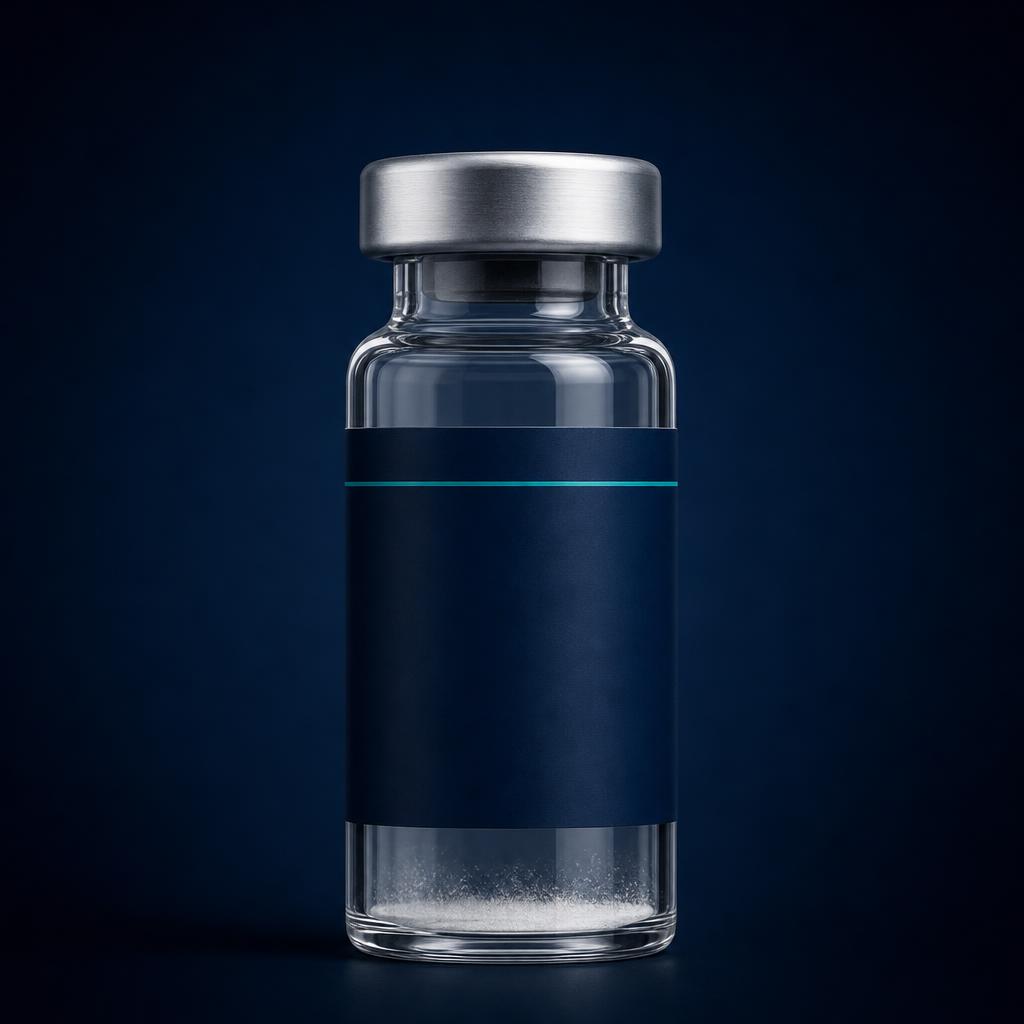
Form: Lyophilized (freeze-dried)
Compound class
Endogenous cofactor (nicotinamide adenine dinucleotide)
Research category
Anti-Aging & Longevity
SKU
NVR-NAD-PLUS-500MG
Alternate name
NAD
CAS
53-84-9
Appearance
White to off-white lyophilized powder
Storage
Store at 2–8 °C. Protect from light.
Research use only
Select strength
Cost per mg shown for each option
1
$39.99per 500 mg$0.080/mg

For research use only — not for human or animal consumption.

Supplied solely for legitimate laboratory and research purposes. Not for medical or veterinary use, diagnosis, treatment, or prevention of disease.

Research Grade
Batch Documentation
Research Use Only
U.S.-Based Fulfillment
What you should know

More detail on NAD+.

Analytical values reflect per-lot documentation and appear once a batch is released.

Compound
NAD+ occupies an unusual position in cell biology: it is both a catalytic cofactor that is regenerated and a consumed substrate for a family of signaling enzymes. That dual role is why NAD+ availability is studied as a regulator of cellular state rather than simply a metabolic input. Laboratory applications include enzyme assays for sirtuins and PARPs, measurement of NAD+/NADH ratios as a readout of redox status, and mitochondrial-function studies in cultured cells. The compound is supplied as a research reagent for in vitro use.
Peptide class
Endogenous cofactor (nicotinamide adenine dinucleotide)
Mechanism (research context)
NAD+ serves as a cofactor for hundreds of characterized enzymatic reactions, most notably in oxidative phosphorylation, sirtuin-mediated deacetylation, and PARP-mediated DNA-repair signaling.
Why it is studied
NAD+ is one of the most extensively studied metabolic cofactors, used across biochemistry, aging biology, and mitochondrial-function research.
Current areas of research
Cellular metabolismSirtuin enzyme researchMitochondrial studiesRedox biology

Topics reflect published preclinical and in vitro research. Reference only — not a claim of clinical outcomes.

Scientific background

NAD was first characterized in the early 20th century in fermentation studies and has since become one of the most extensively researched biological cofactors.

Modern research emphasizes NAD+ salvage, sirtuin activity, and mitochondrial coupling as intersecting axes of metabolic and aging biology.

Related

Related research materials

View all →
NAD+
500 mg · $39.99
Notify me when available