Free U.S. shipping $175+

GHK-Cu — Novaryn Research
Hover to zoom
Anti-Aging & LongevityCopper-bound tripeptide (Gly-His-Lys : Cu²⁺)

GHK-Cu

$39.99
50 mg· 2 strengths available

GHK-Cu is a naturally occurring tripeptide (glycyl-L-histidyl-L-lysine) complexed with copper(II). The peptide's high affinity for copper is central to its research profile, since the metal is required for several enzymes involved in extracellular matrix chemistry.

Laboratory research examines its effects on fibroblast behavior, matrix protein expression, and broader gene-expression patterns in cultured cells.

Research areas
Copper-peptide chemistryFibroblast and matrix researchGene-expression studiesSkin biology models
Form: Lyophilized (freeze-dried)
Compound class
Copper-bound tripeptide (Gly-His-Lys : Cu²⁺)
Research category
Anti-Aging & Longevity
SKU
NVR-GHK-CU-50MG
Alternate name
GHK Copper
CAS
89030-95-5
Appearance
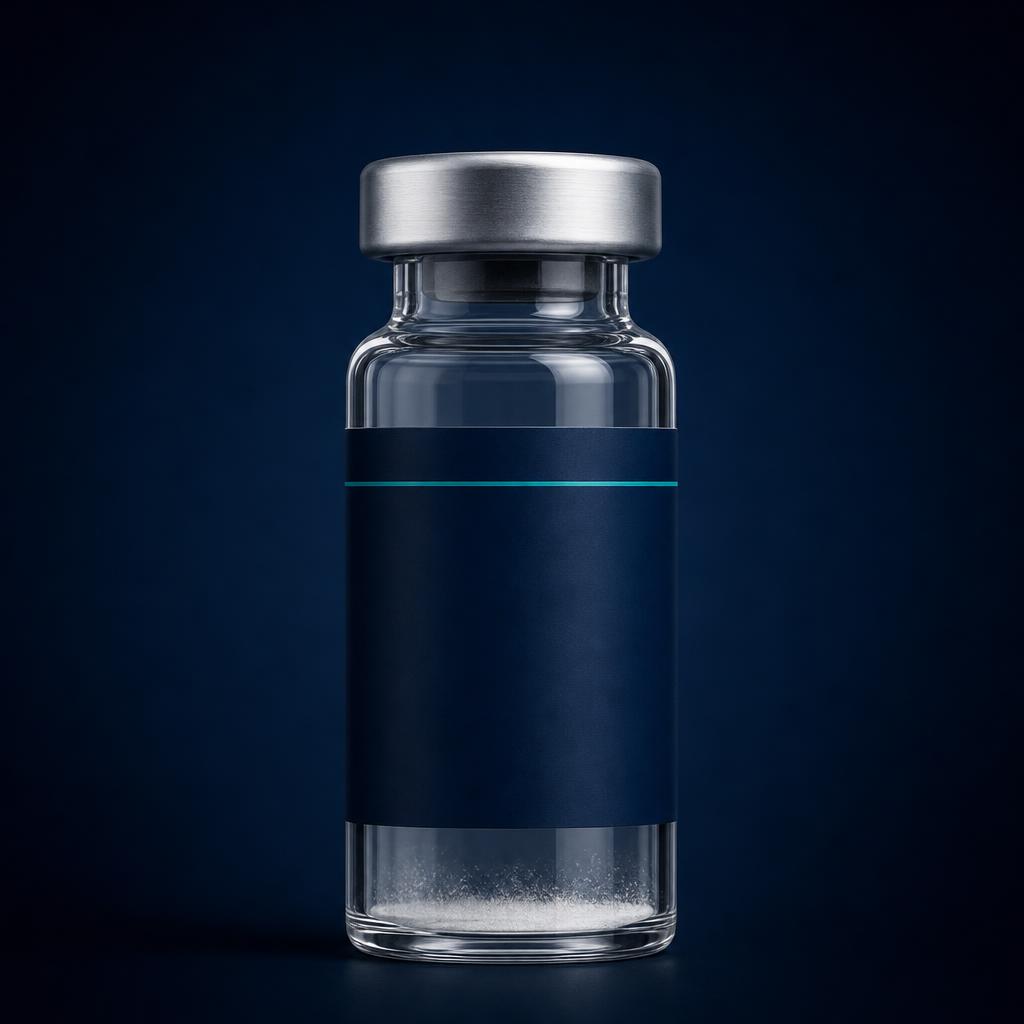
Deep blue lyophilized powder
Storage
Store at 2–8 °C. Protect from light.
Research use only
Select strength
Cost per mg shown for each option
1
$39.99per 50 mg$0.800/mg

For research use only — not for human or animal consumption.

Supplied solely for legitimate laboratory and research purposes. Not for medical or veterinary use, diagnosis, treatment, or prevention of disease.

Research Grade
Batch Documentation
Research Use Only
U.S.-Based Fulfillment
What you should know

More detail on GHK-Cu.

Analytical values reflect per-lot documentation and appear once a batch is released.

Compound
GHK was first identified in human plasma and later shown to form a stable complex with copper(II). Published in vitro work reports changes in collagen and matrix-component expression in fibroblast cultures, and transcriptomic studies have described broad shifts in gene-expression profiles following exposure. Because the copper ion is integral to the complex, researchers generally distinguish peptide-specific effects from copper-delivery effects using appropriate controls. Applications include dermal-cell models, matrix biology, and metal-peptide coordination chemistry. Research use only.
Peptide class
Copper-bound tripeptide (Gly-His-Lys : Cu²⁺)
Mechanism (research context)
Published research characterizes GHK-Cu in fibroblast-culture systems, dermal-remodeling models, and gene-expression studies. Its copper coordination is central to reported activity.
Why it is studied
GHK-Cu is one of the most-cited copper peptides in dermatological and connective-tissue research, valued as a well-defined reference complex.
Current areas of research
Copper-peptide chemistryFibroblast and matrix researchGene-expression studiesSkin biology models

Topics reflect published preclinical and in vitro research. Reference only — not a claim of clinical outcomes.

Scientific background

The GHK tripeptide was first isolated by Loren Pickart in the 1970s as an activity from human serum that supported hepatocyte behavior in culture.

The copper-bound form was subsequently characterized as the biologically relevant coordination complex, and GHK-Cu has since accumulated a large body of published dermatological and gene-expression literature.

Related

Related research materials

View all →
GHK-Cu
50 mg · $39.99
Notify me when available